






Wave springs are an innovative new component in modern medical devices. They are a result of the increasing need for miniaturisation, tighter tolerances and improved design efficiency. Traditional coil springs have long been relied upon to transmit force within drug delivery systems and diagnostic equipment, whereas wave springs offer a compact, high-performance alternative that can support next-generation device design.
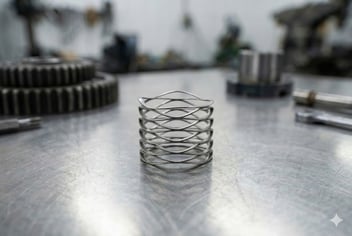
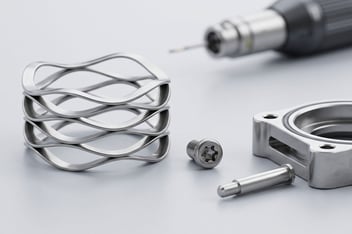
At their core, wave springs are compression springs made from flat wire formed into a continuous wave-like pattern. When compressed, the waves deflect to generate an axial force (much like a coil spring) but in significantly less space. This reduction in height without sacrificing performance is the defining advantage of wave springs and the primary reason they are gaining traction within the medical sector.
How a wave spring works
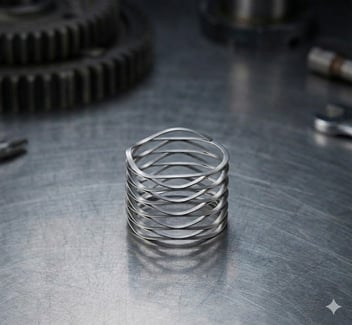
Unlike a traditional round-wire coil spring, a wave spring uses flat wire, which is shaped into multiple peaks and troughs around its circumference. When axial load is applied, these waves compress, providing force and storing mechanical energy.
A few functional characteristics define every wave spring:
- Compression only: Wave springs are specifically designed to handle axial compression loads and cannot be used in extension or torsion applications.
- Multiple contact points: The wave profile creates several load-bearing points, allowing force to be distributed more evenly during compression.
- Reduced system height: The compact design means a wave spring can offer the same force in roughly half the height of a comparable coil spring.
This unique geometry enables engineers to achieve the required spring performance whilst meaningfully reducing component stack-up height, which is something that is becoming increasingly valuable in drug delivery and handheld medical devices.
The benefits of wave springs in medical devices
The medical device industry demands components that are high-performing, reliable, repeatable and suited for strict regulatory pathways. Wave springs naturally align with these expectations.
Miniaturisation without performance compromise
Medical devices are continuously getting smaller, driven by patient comfort, portability and competitive device design. Wave springs enable engineers to reduce spring cavity height while maintaining the required load characteristics.
This reduction is far from trivial as using a wave spring can halve the necessary installation height compared to a coil spring, freeing up space for other critical components or enabling an overall reduction in device size.
Potential for weight and material savings
Because wave springs use less material and occupy less space, designs that integrate them from the outset can realise system-level material and weight reductions. Individually, wave springs may not always be cheaper than coil springs, but when incorporated into a redesigned device assembly, they can reduce overall manufacturing complexity and contribute to lower total production costs.
Design flexibility for engineers
By reducing spring height, designers gain more freedom to optimise internal architecture. For example, space might be reallocated to reinforcement features, sensors, or improved ergonomics. However, it’s important to note that wave springs cannot be dropped into a design that originally relied on a coil spring as the cavity dimensions must be considered from the earliest design stage.
Consistent, predictable load characteristics
Because flat wire distributes load more evenly and the wave geometry naturally guides compression, wave springs can provide highly repeatable force outputs. This predictability supports stringent medical testing requirements, where component variation is a frequent source of delays or scrap.
Tangle-free handling and assembly
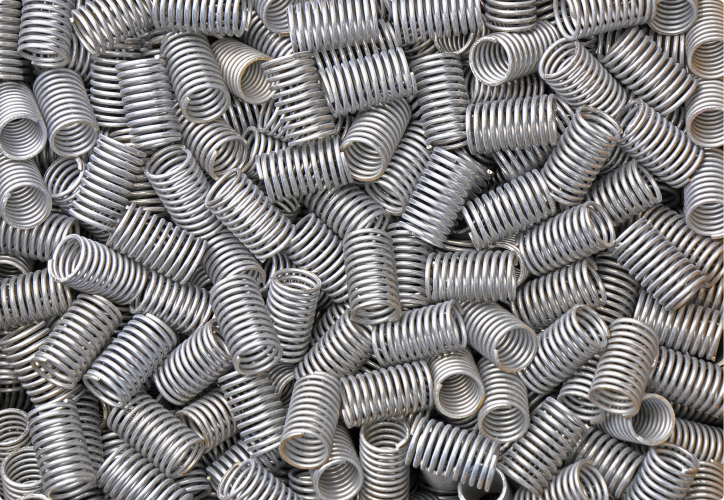
Traditional springs (particularly long or fine coil springs) can tangle during handling or processing, creating challenges in high-volume assembly environments. Wave springs, by contrast, are inherently tangle-resistant, which supports automated assembly and reduces the risk of component damage.
Medical applications for wave springs
Wave springs are growing in interest across a range of medical applications, particularly where compact, force-controlled mechanisms are required. Technical literature and supplier data indicate their potential use in pen injectors, autoinjectors, wearable medical technology, handheld medical instruments, and other compact device architectures, all of which benefit from the ability to generate reliable axial force in a reduced installation height.
In drug-delivery devices such as insulin pens and autoinjectors, wave springs are especially well suited because they offer consistent, predictable load performance within tight spatial constraints. As device miniaturisation continues to be a central trend in the medical sector, wave springs are likely to become an increasingly valuable component for engineers seeking to reduce assembly height, improve mechanism efficiency and enhance overall design flexibility.
Strengthening your device with specialist component expertise
Wave springs can unlock meaningful design advantages for modern medical devices but their performance ultimately relies on the precision, consistency and quality of the components that surround them. In an industry where reliability and repeatability are essential, having the right manufacturing expertise behind you is critical.
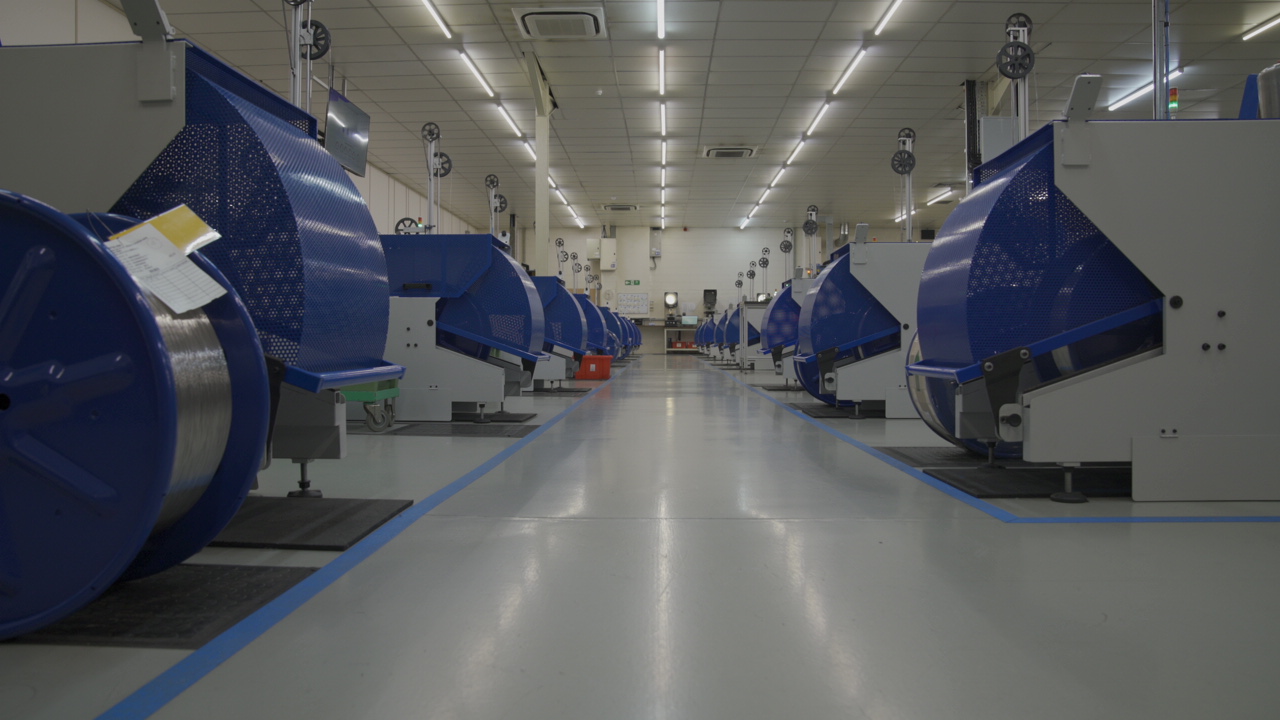
Advanex Medical supports device designers with the specialised knowledge, medical-grade processes and high-precision component manufacturing needed to bring complex mechanisms to life. From early design guidance to scalable, compliant production, we help teams minimise risk, improve manufacturability and accelerate their route to market.
If your next device demands compact, dependable mechanical performance, download our guide below to discover how Design for Pharmaceutical manufacturing practises act as a foundation of proven expertise and trusted component quality.