



Medical devices must meet strict regulatory standards, maintain consistent performance across millions of units and reach global markets through carefully validated supply chains. In this context, even a small disruption in component supply can have significant consequences for production timelines, compliance obligations and patient access.
For this reason, many medical OEMs are increasingly exploring multi-sourcing strategies when planning their manufacturing operations. Rather than relying on a single production site or supplier, multi-sourcing distributes production capability across multiple locations or partners. This approach provides greater resilience against disruption to help manufacturers maintain stable output as products scale globally.
What is multi-sourcing in medical manufacturing?
Multi-sourcing refers to the practice of qualifying two or more manufacturing sources for the same component, subassembly or production process. These sources may exist across different regions, facilities or suppliers, but they operate to the same technical specifications and validated processes.
The goal is not necessarily to divide production equally between sites. Instead, it is to ensure that if one location becomes unavailable due to geopolitical events, material shortages, tariffs or regional disruptions, manufacturing can continue with minimal interruption.
In highly regulated sectors such as medical technology, this continuity is particularly valuable. Device manufacturers often invest years into product validation, regulatory submissions and manufacturing approvals. If a single production source becomes unavailable, transferring production elsewhere can require substantial re-validation work. Multi-sourcing reduces this risk by ensuring alternative production routes are already qualified.
Why supply chain resilience matters more than ever
The global manufacturing landscape has changed dramatically over the past decade. Trade policy shifts, regional conflicts, logistics disruptions and material shortages have all demonstrated how fragile supply chains can become when production is concentrated in a single location.
For medical device manufacturers, the stakes are especially high. Production delays can also disrupt healthcare delivery and delay patient access to essential therapies as well as overall performance.
Multi-sourcing provides a strategic safeguard against these risks. By distributing manufacturing capacity across multiple regions, companies can respond more quickly to unexpected disruptions and maintain stable supply. Key resilience benefits include:
-
Protection against regional disruptions such as natural disasters, regulatory shutdowns or geopolitical instability
-
Reduced exposure to tariff changes or trade barriers that may suddenly affect production costs
-
Improved flexibility when scaling production into new geographic markets
- Greater stability in the face of raw material shortage
Avoiding the risks of single-site dependency
Many medical supply chains historically evolved around a single manufacturing location. This approach can be efficient during the early stages of product development, when volumes are low and manufacturing systems are still being refined. However, once a device reaches large-scale production, reliance on a single facility introduces several risks.
Operational disruption
If production is concentrated in one region, events such as labour shortages, facility shutdowns or transportation interruptions can halt supply entirely. Without a qualified secondary source, restarting production elsewhere may require extensive regulatory review.
Regulatory complexity
Medical devices are subject to strict quality management systems and regulatory frameworks such as ISO 13485 and EU MDR. Manufacturing processes, inspection systems and traceability procedures must all be validated.
Moving production to a new location can therefore involve significant documentation updates, process validation and regulatory approvals. Multi-sourcing allows these approvals to be established in advance.
Cost volatility
Tariffs and trade policies can rapidly alter the economics of global manufacturing. A supply chain that depends on a single country or region may suddenly face higher import duties or export restrictions. With multi-sourcing, production can shift to alternative locations that maintain cost stability while keeping device manufacturing uninterrupted.
Multi-sourcing and new product introduction
Multi-sourcing strategies are most effective when considered during the early stages of product development rather than after a device has already reached market.
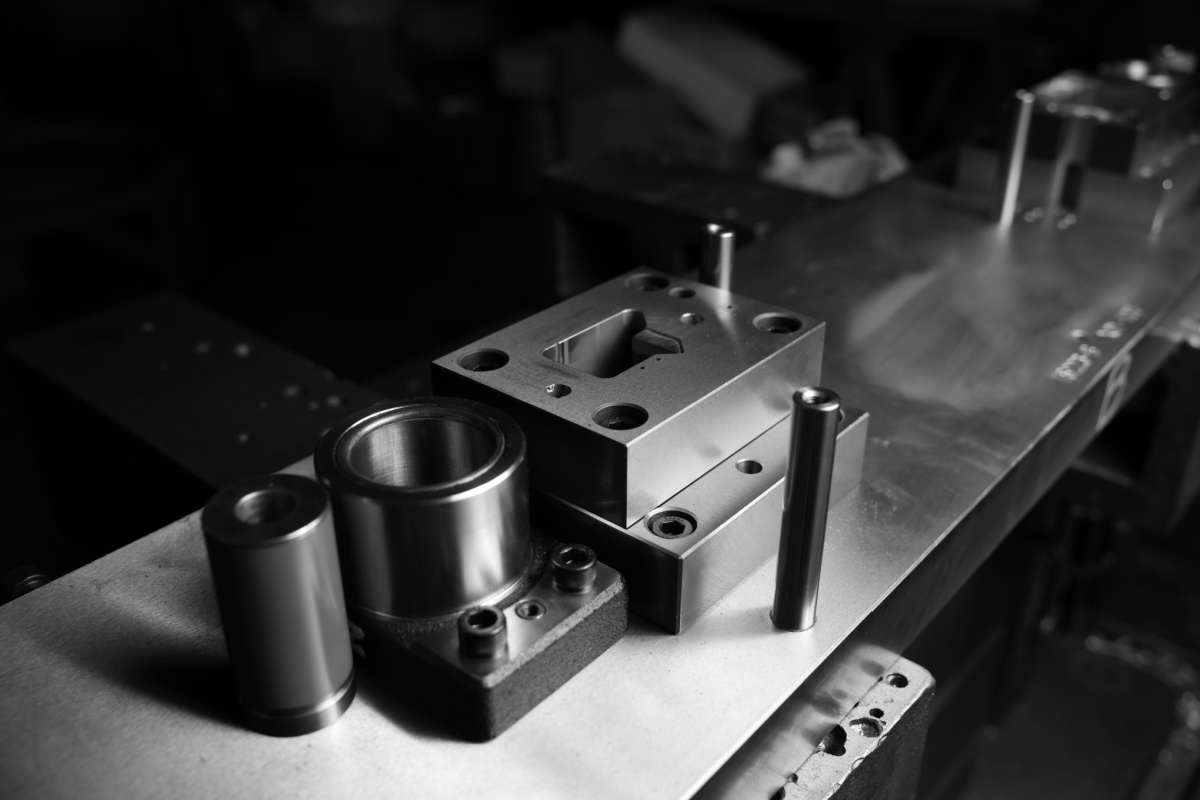
When component designs, materials and manufacturing processes are standardised from the outset, it becomes much easier to replicate production across multiple facilities. Shared tooling standards, validated inspection procedures and harmonised documentation all contribute to smoother technology transfer between sites.
Planning for multi-sourcing during new product introduction (NPI) can therefore deliver long-term advantages:
-
Faster expansion into new regional markets
-
Smoother scale-up of production volumes
-
Reduced regulatory risk when transferring manufacturing
-
Greater supply chain agility over the lifetime of the device
By contrast, attempting to introduce secondary sources after a product is already commercialised often requires redesigning tooling, documentation and validation procedures.
Multi-sourcing as a long-term manufacturing strategy
As medical devices become more complex and globalised, supply chain resilience is becoming a central consideration in manufacturing strategy. OEMs must balance regulatory compliance, cost control and production scalability ensuring uninterrupted supply to healthcare providers.
Multi-sourcing offers a practical framework for achieving this balance. By distributing production capability across multiple validated sites, manufacturers can protect themselves from regional disruption while maintaining consistent quality and regulatory compliance.
In practice, implementing multi-sourcing successfully requires careful planning, standardised processes and manufacturing partners capable of operating at the same level of precision across global locations.
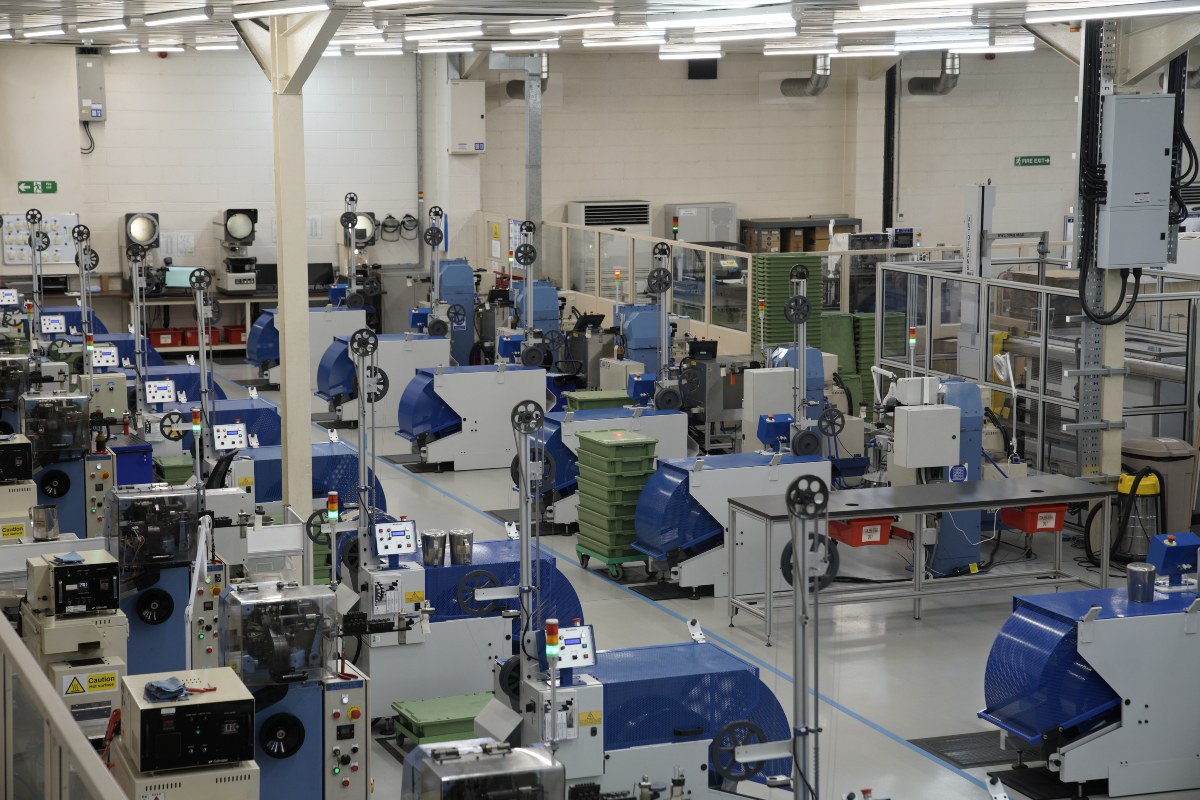
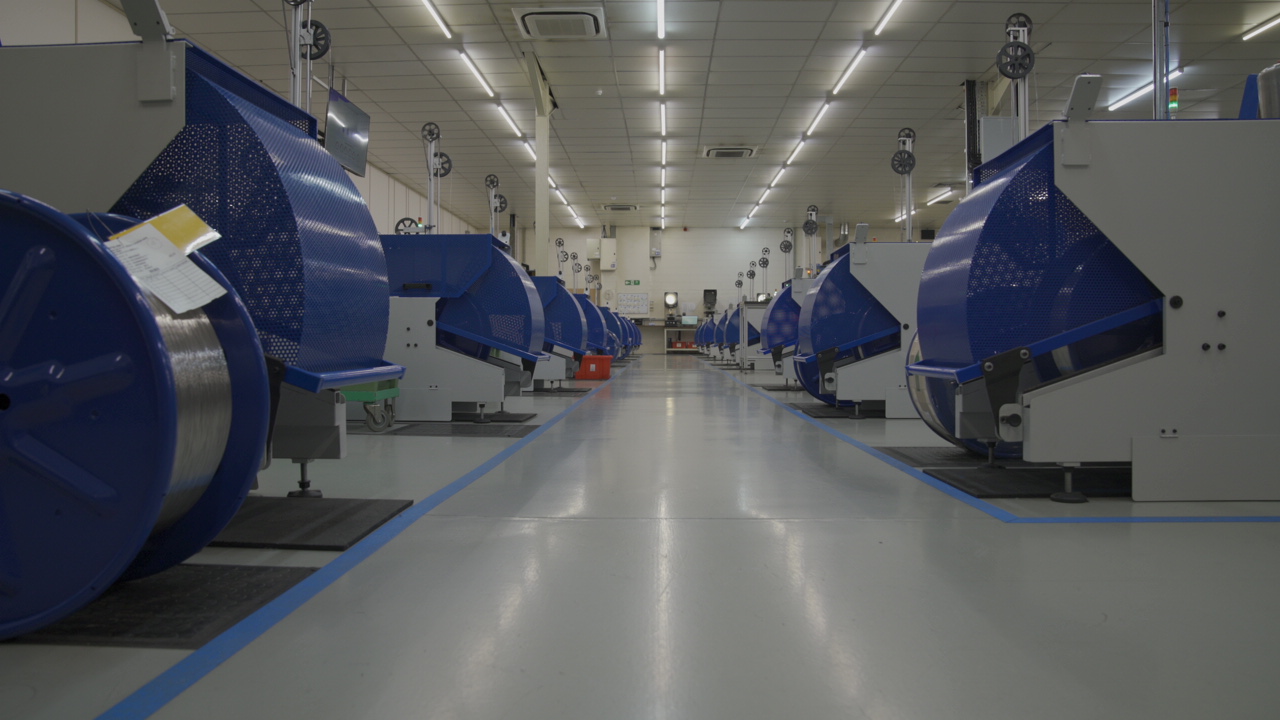
Advanex Medical increasingly support these strategies through globally aligned facilities, consistent quality systems and repeatable production processes. When implemented correctly, multi-sourcing helps medical OEMs build more resilient supply chains while ensuring that device production remains stable, compliant and ready to scale. Download our guide below to find out more.