






In the previous article, we explored why multi-sourcing has become a critical safeguard in medical device manufacturing. But understanding its importance is only the first step.
The real challenge for design engineers and procurement teams is more practical: how do you actually implement dual or multi-sourcing without introducing new risks around validation, cost or compliance?
In an industry defined by strict regulatory oversight and global supply complexity, sourcing strategies must be carefully structured from the outset. What follows is not a checklist, but a set of proven approaches manufacturers are using today to build resilience into their supply chains, particularly in the face of tariffs, regional disruption and shifting trade conditions.
Starting with geography, separating risk at the source
For many manufacturers, the first move into dual sourcing begins with geography.
Relying on a single country or region for production creates an obvious vulnerability. Whether the disruption comes from geopolitical tension, natural disasters or sudden tariff changes, the outcome is that production slows or stops entirely.
Dual sourcing addresses this by qualifying two independent production routes in different regions. For example, a component might be manufactured in both Europe and Southeast Asia, ensuring that if one region becomes constrained, the other can maintain supply.
However, this approach only works when both sites are aligned to the same standards. Without shared tooling, inspection criteria and validation frameworks, switching production is rarely seamless. The OECD highlights how geographic diversification plays a central role in supply chain resilience, particularly in complex global industries.
Moving beyond duplication and the role of globally aligned manufacturing
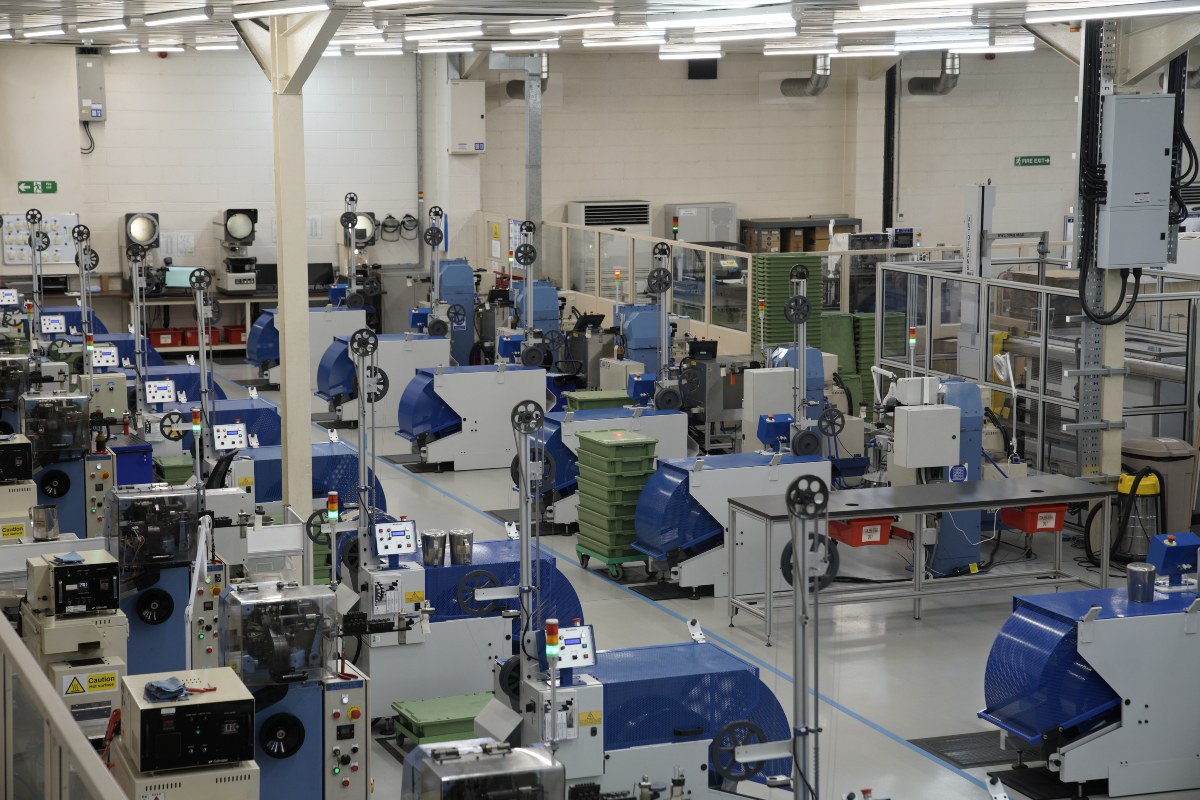
As manufacturers mature their approach, dual sourcing often evolves into something more sophisticated: multi-sourcing within a globally aligned network. Rather than simply adding more suppliers, it provides multiple production sites (whether internal or external) that operate as a single, standardised system. In practice, that means:
- Identical production methods and tooling across sites
- Harmonised quality management systems
- Shared validation and documentation frameworks
When this level of alignment is achieved, production can shift between regions without triggering extensive revalidation or compliance delays which is a critical advantage in medical manufacturing. Regulatory bodies emphasise the importance of consistency in manufacturing controls, particularly under frameworks such as the FDA’s Quality System Regulation.
The growing importance of regionalisation and nearshoring
In recent years, regionalisation has been added to sourcing strategy. Rather than centralising production in a single low-cost region, manufacturers are increasingly positioning production closer to their end markets. This reduces lead times, simplifies logistics and, importantly, limits exposure to tariffs and cross-border trade friction.
For medical devices, regionalisation also supports faster distribution to healthcare providers, easier alignment with local regulatory frameworks and reduced complexity in post-market surveillance.
This strengths multi-sourcing, as the common model combines regional production close to final assembly and additional validated sources in alternative regions. McKinsey’s analysis of global value chains shows a clear shift towards regional supply models as companies respond to ongoing disruption.
Why design standardisation determines success or failure
Many sourcing strategies fail not because of supplier capability, but because they are introduced too late. If a product has already been validated around a single manufacturing process, transferring it to another site can require significant rework (tooling redesign, regulatory resubmission, etc.)
This is why effective dual and multi-sourcing strategies begin during new product introduction (NPI). At this stage, manufacturers can define:
- Standardised materials and tolerances
- Repeatable forming and assembly processes
- Unified inspection and traceability requirements
This creates a design that is inherently transferable, allowing production to scale or shift without disruption.
Managing suppliers without introducing variability
A common misconception is that adding more suppliers automatically reduces risk. In reality, unmanaged supplier expansion can introduce variation, inconsistency and compliance challenges. To avoid this, manufacturers are adopting structured supplier models where multiple sources operate under a shared validation framework. This typically involves:
- Pre-qualifying suppliers to the same QMS standards
- Aligning inspection, testing and documentation procedures
- Maintaining consistent traceability across all sources
When done correctly, this allows manufacturers to switch or rebalance production without compromising quality or triggering audit issues. International standards such as ISO 13485 place strong emphasis on supplier control and consistency as part of an effective medical device quality management system.
Responding to tariffs and trade volatility in real time
Tariffs have become one of the most unpredictable variables in global manufacturing. Sudden policy changes can significantly alter cost structures, particularly for components that cross multiple borders during production.
As a result, sourcing strategies are increasingly designed with tariff flexibility in mind. Rather than locking production into a single trade route, manufacturers are structuring supply chains to minimise cross-border exposure, maintaining the ability to shift production as trade conditions change.
This level of flexibility is only possible when multi-sourcing is already in place and fully validated. The World Trade Organization provides ongoing data on how tariffs and trade policies influence global supply chains.
From sourcing strategy to manufacturing capability
What becomes clear is that effective multi-sourcing cannot be achieved through procurement alone. It depends on design decisions, process standardisation and the capability of manufacturing partners.
The most resilient manufacturers are those that treat sourcing as an integrated part of their production system. They design for it, validate for it and build it into their long-term strategy.
Advanex Medical supports this approach through globally aligned manufacturing, standardised processes and consistent quality systems across its international footprint. By enabling production to move between regions without compromising compliance or performance, it helps medical device manufacturers reduce risk while maintaining the stability required in a highly regulated industry.
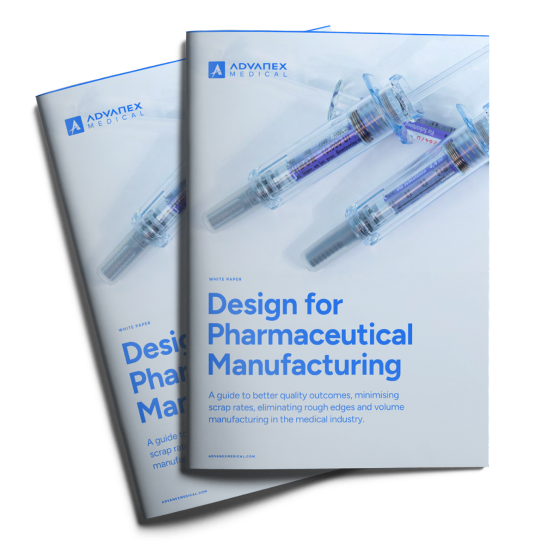
If you are developing a new drug delivery device or scaling an existing design for high-volume manufacture, download our guide below for additional insights.